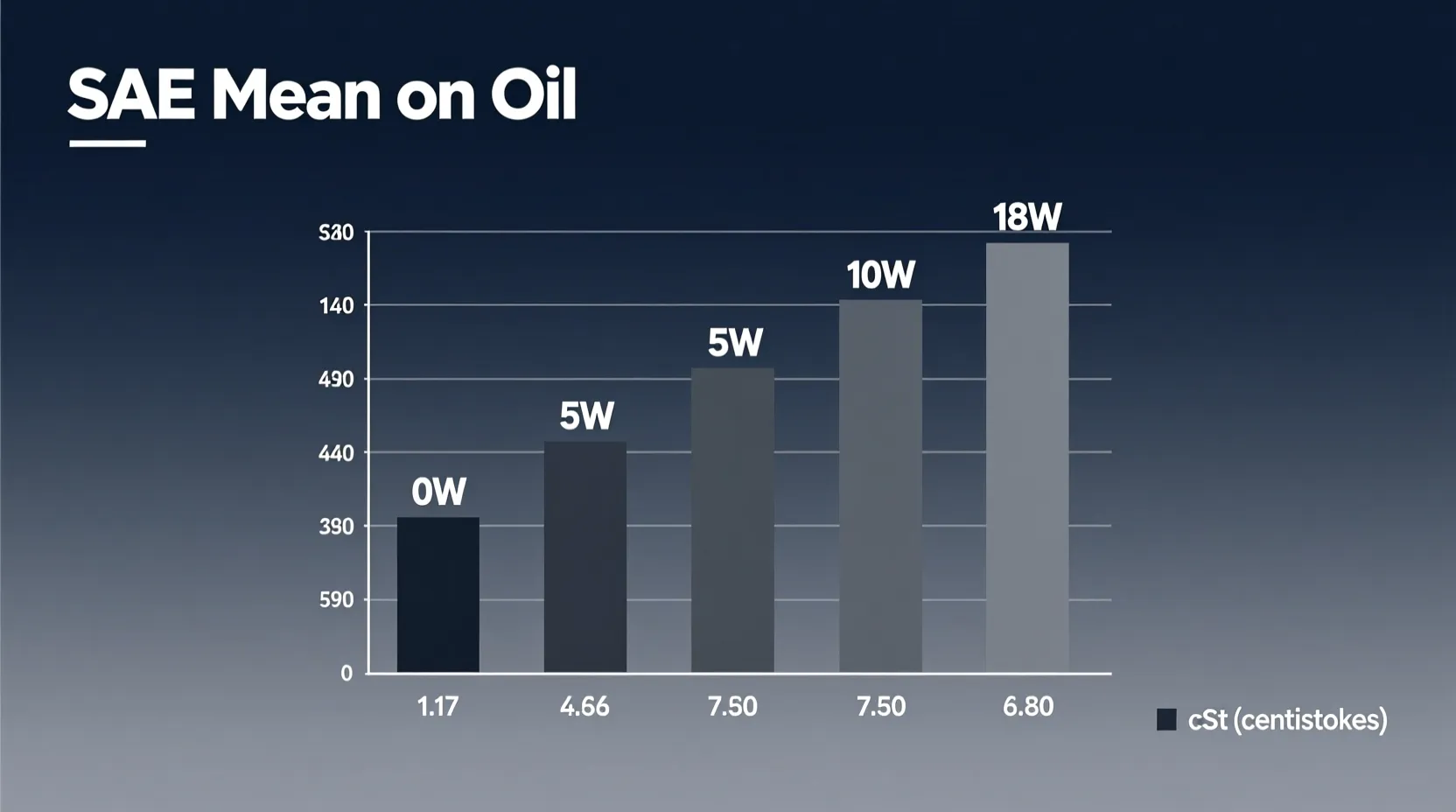
Have you ever walked down the automotive aisle or opened your car’s engine manual and noticed “SAE 5W-30” on a bottle of oil, feeling totally lost? Don’t worry—you’re not alone. Many first-time car owners or even casual drivers glance at these letters and wonder what on earth “SAE” stands for and why it matters.
Quick Answer: SAE means Society of Automotive Engineers. It’s a standardized rating system that tells you about an engine oil’s viscosity—basically, how thick or thin the oil is and how it behaves at different temperatures. Knowing this ensures your engine runs smoothly and lasts longer.
🧠 What Does SAE Mean in Text?
In automotive terms, SAE isn’t slang—it’s a technical acronym. But if you ever see someone chatting about car oil online, they might casually type “SAE 10W-40” to refer to a specific oil type.
- Full Form: SAE = Society of Automotive Engineers
- Meaning in Simple Words: SAE ratings help you pick the right oil for your car, considering cold winters and hot summers.
Example:
“Make sure you pour SAE 5W-30 in the engine, not something thicker—it flows better when it’s cold.”
In short: SAE = Society of Automotive Engineers = oil viscosity rating for safe engine performance.
📱 Where Is SAE Commonly Used?
SAE is most commonly seen in:
- 🛢️ Engine oil bottles and motor oil packaging
- 📖 Car manuals and service guides
- 🌐 Automotive forums and Reddit car discussions
- 🛠️ Mechanic advice on TikTok or YouTube
Tone: Technical, informative, formal in manuals; casual in social media discussions among car enthusiasts.
💬 Examples of SAE in Conversation
Here are some realistic ways car lovers might talk about SAE in chats or forums:
A: “Which oil should I buy for my Corolla?”
B: “Go with SAE 5W-30, works perfectly in winter too 😎”
A: “Can I use 10W-40 instead?”
B: “Yes, but SAE 5W-30 is better for cold starts ❄️”
A: “SAE… that’s like a brand, right?”
B: “Not really, it’s the viscosity standard 🤓”
A: “My oil light came on. Which SAE?”
B: “Check your manual, should be SAE 0W-20 for your car”
A: “Do I really need synthetic SAE?”
B: “It’s optional, but keeps the engine smoother longer 👍”
🕓 When to Use and When Not to Use SAE
✅ When to Use:
- Talking with car enthusiasts online
- Following service manuals
- Choosing oil for your engine
❌ When Not to Use:
- In casual texting with friends who don’t care about cars
- Formal documents unrelated to automotive topics
- Urgent safety alerts (use plain language instead)
| Context | Example Phrase | Why It Works |
|---|---|---|
| Friend Chat | “Use SAE 5W-30 😄” | Casual & friendly |
| Work Chat | “Recommended oil: SAE 10W-40” | Clear, technical, professional |
| “Please ensure the use of SAE-approved oil” | Formal & precise |
🔄 Similar Slang Words or Alternatives
| Term | Meaning | When to Use |
|---|---|---|
| API | American Petroleum Institute rating | Alongside SAE for oil standards |
| W | Winter viscosity indicator | When specifying temperature behavior |
| Mobil 1 | Brand of synthetic oil | Casual car forum discussions |
| Castrol | Popular oil brand | Automotive shopping or forum tips |
| Synthetic | Type of oil | Informal discussions or manuals |
❓ FAQs
Q1: Can I use any SAE oil in my car?
A1: No, always check your car’s manual. Using the wrong SAE rating can affect engine performance.
Q2: What do the numbers like 5W-30 mean?
A2: The first number (5W) is viscosity in winter, and the second (30) is at normal operating temperature.
Q3: Is SAE a brand?
A3: No, SAE is a standard set by the Society of Automotive Engineers.
Q4: Can I switch SAE ratings between seasons?
A4: Only if the manual allows. Many modern oils are multi-grade (like 5W-30) for year-round use.
✅ Conclusion
SAE on oil isn’t just a random label—it’s a standard that helps your engine perform safely and efficiently. From choosing the right viscosity for winter mornings to discussing your car online, knowing what SAE means keeps your vehicle healthy and your conversations accurate. Next time you see “SAE 5W-30,” you’ll know it’s more than letters—it’s engine care made simple.