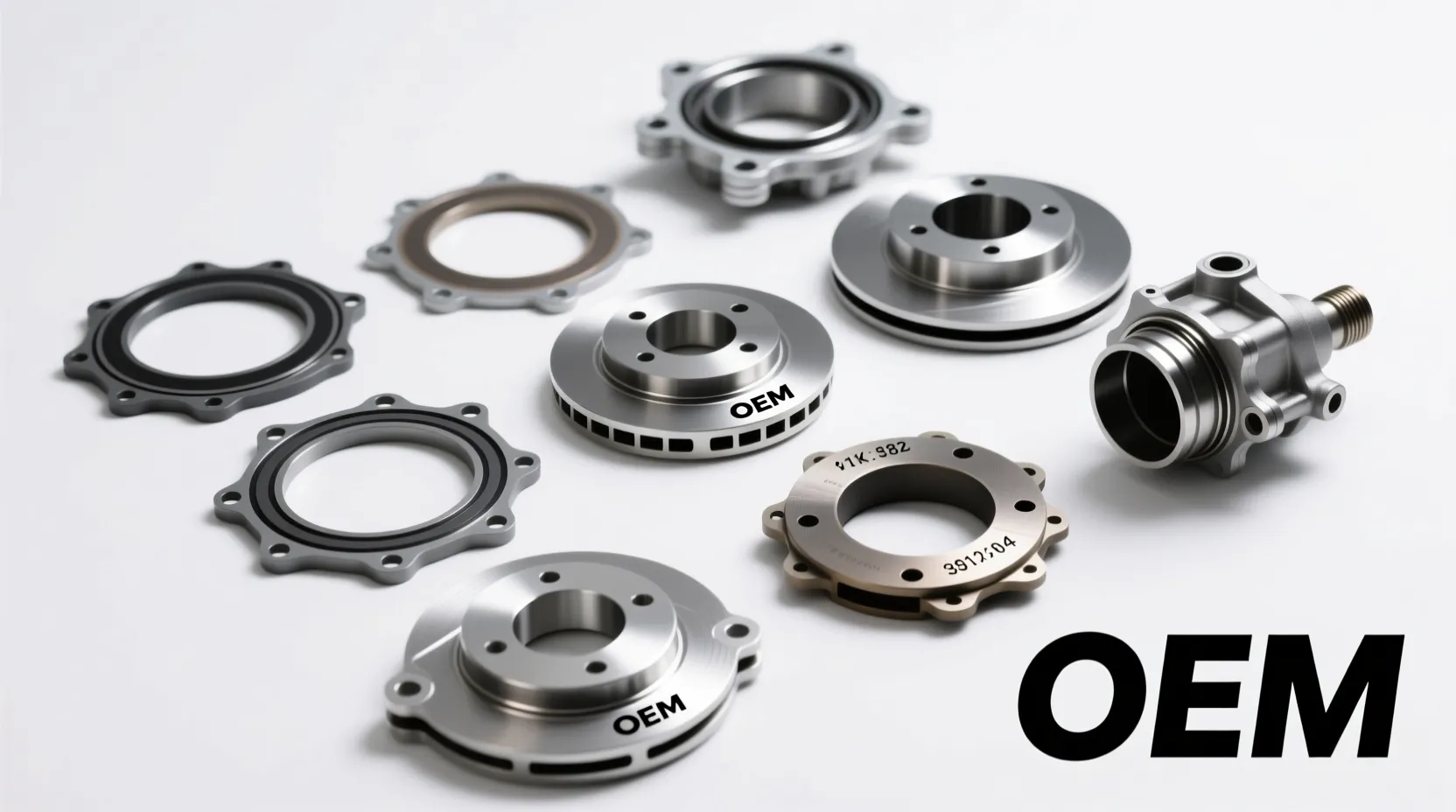
Have you ever been scrolling through car forums, shopping for car parts online, or chatting with a mechanic, and suddenly came across the term “OEM parts”? You might have paused and thought, “Wait, what does that even mean?” It’s completely normal to feel a bit confused at first. The world of automotive lingo can feel like a secret code!
Quick Answer: OEM parts means “Original Equipment Manufacturer”. It’s a friendly, informative way to refer to parts made by the car’s original manufacturer rather than a third-party company.
🧠 What Does OEM Parts Mean in Text?
OEM stands for Original Equipment Manufacturer. These are parts made by the company that originally built your vehicle. Using OEM parts ensures quality, compatibility, and reliability because they are the exact components your car was designed with.
Example in a sentence:
- “I decided to replace my brake pads with OEM parts to make sure they last longer.”
In short: OEM parts = Original Equipment Manufacturer = parts made by the car’s original maker for best quality.
📱 Where Is OEM Parts Commonly Used?
OEM parts are a term you’ll mostly see in contexts related to cars, repairs, or tech gadgets.
- 🚗 Automotive forums – discussions about car repairs or upgrades
- 🛒 E-commerce websites – listing parts for sale
- 🧑🔧 Mechanic chats – mechanics explaining repair choices
- 📱 Social media & texting – among car enthusiasts
Tone: Casual when texting friends or discussing cars online, but can also be formal in professional automotive writing.
💬 Examples of OEM Parts in Conversation
Here are some realistic chat examples:
A: “Hey, should I get aftermarket or OEM parts for my car?”
B: “OEM parts are safer and fit perfectly 😎”
A: “Do you think the brakes will hold up?”
B: “If you go OEM, definitely 👍”
A: “Found a cheap battery online, is it okay?”
B: “Better stick with OEM parts, it’s more reliable”
A: “Mechanic suggested replacing the alternator”
B: “Ask for OEM parts, it’ll last longer 🔧”
A: “My car’s making noise again 😩”
B: “OEM parts solve most of these issues”
🕓 When to Use and When Not to Use OEM Parts
✅ When to Use:
- Friendly car chats with friends
- Asking mechanics for advice
- Online car forums or reviews
- Social media discussions about repairs
❌ When Not to Use:
- Formal business emails unrelated to cars
- Urgent emergency messages
- Casual conversations where technical terms confuse
| Context | Example Phrase | Why It Works |
|---|---|---|
| Friend Chat | “I’m going OEM for the brakes 😎” | Casual & friendly |
| Work Chat | “We should use OEM parts for reliability.” | Professional & clear |
| “Please ensure all components are OEM.” | Formal & precise |
🔄 Similar Slang Words or Alternatives
| Slang | Meaning | When to Use |
|---|---|---|
| Aftermarket | Parts made by other companies | When discussing cheaper options |
| OEM+ | Enhanced version of OEM parts | Car enthusiasts or upgrades |
| Genuine Parts | Same as OEM, emphasizes authenticity | Professional and online sales |
| Original Parts | Another way to say OEM | Casual or formal automotive chats |
❓ FAQs About OEM Parts
Q1: Are OEM parts better than aftermarket?
A: Generally, yes. OEM parts match the original design, ensuring perfect fit and reliability. Aftermarket can be cheaper but may vary in quality.
Q2: Can I use OEM parts in any car model?
A: No. OEM parts are model-specific. Make sure the part matches your vehicle’s make and year.
Q3: Why are OEM parts more expensive?
A: Because they’re made by the original manufacturer and guaranteed to fit and function like the original part.
Q4: Is it safe to buy OEM parts online?
A: Yes, as long as you buy from trusted dealers or official stores. Avoid suspicious websites to prevent counterfeit products.
✅ Conclusion
OEM parts, or Original Equipment Manufacturer parts, are the gold standard for vehicle maintenance. They guarantee fit, quality, and longevity, making them a favorite among car enthusiasts and professionals alike.
Next time someone mentions OEM parts in a chat or online forum, you’ll know exactly what they mean and when to use them! 🛠️🚗